

Courses
23-05-2023
Vote
-
For further training via the Zoom program or at our office? ?
Register a
Violation
We you
Contact youS.O.S.
0032 02 7322568
Protection of Civilians in Armed Conflicts:
Protection of Civilians in Armed Conflicts:
A Real Test for the International Human Rights System
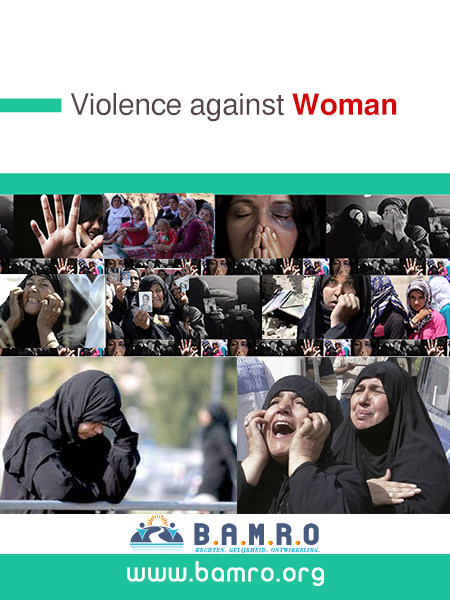
In recent years, many regions of the world have witnessed escalating armed conflicts that have directly affected the lives and fundamental rights of civilians. Modern wars are no longer limited to military frontlines; their consequences increasingly impact civilian communities, infrastructure, and essential services, creating deep and complex humanitarian crises.
Reports from international organizations indicate that civilians now represent the majority of victims in armed conflicts, whether due to direct attacks or the deterioration of humanitarian conditions and the collapse of health, food, and education systems. This reality raises fundamental questions about the effectiveness of the international human rights system and international humanitarian law in providing adequate protection for civilian populations.
Legal Framework for the Protection of Civilians
The Geneva Conventions and international humanitarian law establish a set of fundamental rules aimed at protecting civilians during armed conflicts. These rules include the prohibition of targeting civilians, the obligation to distinguish between military and civilian objects, and the prohibition of weapons or methods of warfare that cause unnecessary suffering.
International human rights law also affirms that certain fundamental rights remain applicable even during armed conflicts, including the right to life, human dignity, and protection from torture and inhuman or degrading treatment.
However, the reality in many conflict zones reveals a significant gap between legal norms and actual implementation, as serious violations often continue without sufficient accountability.
Challenges to Civilian Protection
Efforts to protect civilians face several complex challenges, including:
-
The increasing complexity of modern armed conflicts and the multiplicity of actors involved
-
Weak international accountability mechanisms in some contexts
-
The politicization of certain humanitarian issues
-
Limited access for humanitarian aid to affected areas
The use of heavy weapons in densely populated areas further increases civilian casualties and leads to widespread destruction of civilian infrastructure.
The Role of the International Community
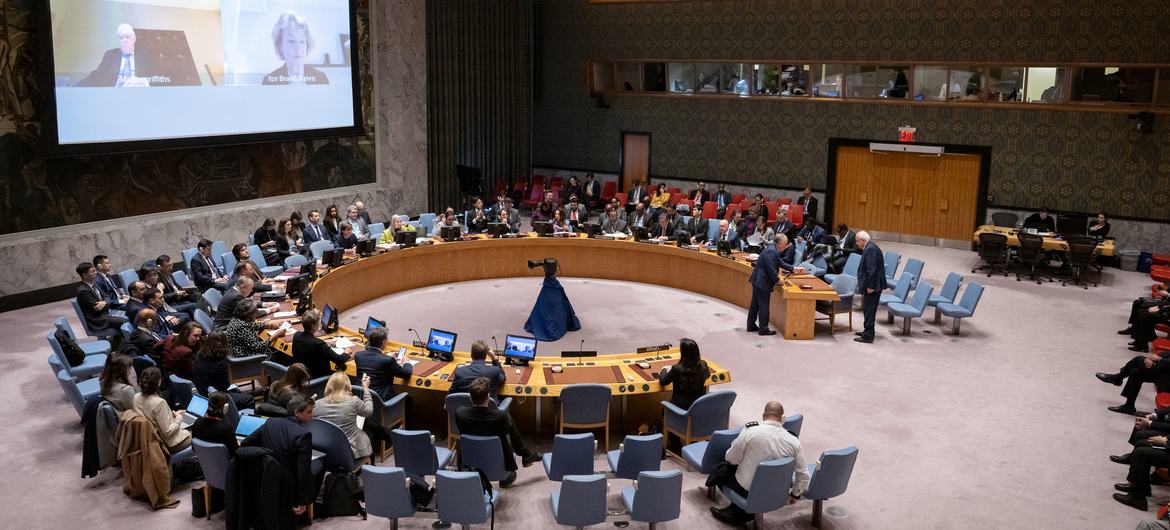
Strengthening the protection of civilians requires genuine commitment from the international community to uphold international humanitarian law and hold perpetrators of serious violations accountable.
Efforts must also focus on preventing armed conflicts and addressing their root causes, including poverty, political instability, and the absence of social justice.
In this regard, international institutions and human rights organizations play a crucial role in documenting violations and raising global awareness about the suffering of civilians.
Conclusion
The protection of civilians in armed conflicts represents a true test of the international human rights system. Human rights must not remain merely legal principles written in international conventions, but must be translated into concrete actions that safeguard human dignity everywhere.
Protecting civilians is not only a legal obligation but also a moral and humanitarian responsibility shared by the entire international community.
Listings
- 1
- 2
- 3
- 4
- 5