

Courses
23-05-2023

Vote
-
For further training via the Zoom program or at our office? ?
Register a
Violation
We you
Contact youS.O.S.
0032 02 7322568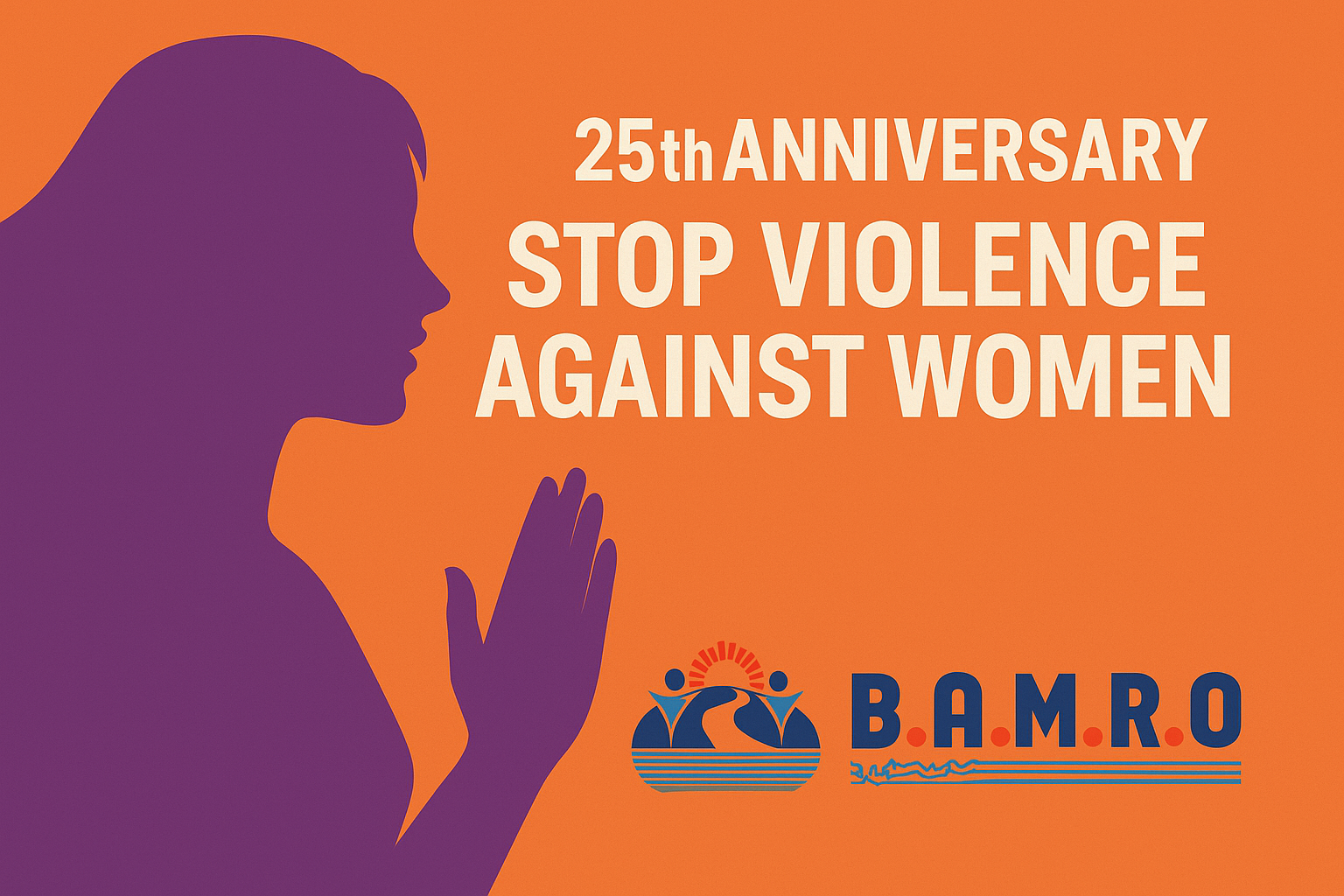
On the International Day for the Elimination of Violence Against Women
the Belgian Association for Human Rights and Development (BAMRO)
On the International Day for the Elimination of Violence Against Women
and within the framework of the 16 Days of Activism Against Gender-Based Violence
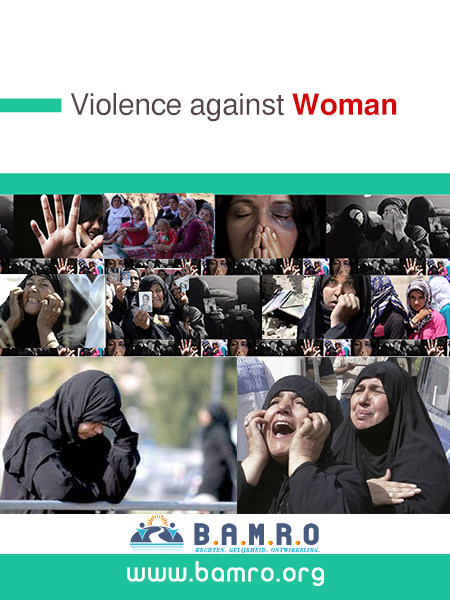
On the occasion of the International Day for the Elimination of Violence Against Women, observed on 25 November, marking 25 years since its official recognition, the Belgian Association for Human Rights and Development (BAMRO) affirms that gender-based violence remains one of the most serious human rights challenges in Iraq and the Middle East. This comes amid rising levels of violence and the emergence of new, more complex forms of abuse that threaten women's safety, dignity, and participation in society.
1. Violence Against Women: From Traditional Domestic Abuse to Modern Forms of Violence
Historically, violence against women appeared primarily within the family sphere, where women were subjected to physical, psychological, and economic abuse inside their households. Social norms often concealed such violations and prevented women from reporting them, in the absence of strong legal protection or effective institutional mechanisms.
In recent decades, however, violence has evolved beyond the family and now includes modern and multifaceted forms, such as:
-
Digital violence: cyber-extortion, online stalking, image-based abuse.
-
Economic violence: controlling women's income, preventing employment, financial exploitation.
-
Workplace violence: harassment, discrimination in hiring and promotions, wage gaps, dismissal due to pregnancy.
-
Political and social violence: exclusion from decision-making, targeting women human rights defenders.
-
Conflict-related violence: rape as a weapon of war, trafficking, abductions, forced and early marriages.
This shift demonstrates that the threats facing women today extend from the household to public life and from the physical world to the digital sphere, requiring comprehensive and modern human rights responses.
2. The Situation in Iraq and the Middle East
Women in Iraq and across the Middle East face high levels of domestic violence, restrictive social norms, weak law enforcement, and the absence of a comprehensive federal law in Iraq criminalizing domestic violence. Additionally, women continue to suffer from wage inequality, workplace harassment, and limited access to leadership roles.
In conflict-affected countries—such as Iraq, Syria, and Yemen—women are subjected to compounded forms of violence as a result of war, displacement, poverty, and instability, making legal and institutional protection even more urgent.
3. BAMRO Recommendations
Based on its human rights mandate, BAMRO calls upon governments and policymakers in Iraq and the Middle East to:
1. Reform and Strengthen Legislation
-
Enact a comprehensive domestic violence law with clear definitions, protection orders, and deterrent penalties.
-
Amend laws that justify or reduce penalties in so-called "honor-related" crimes.
-
Adopt laws guaranteeing women’s protection in the workplace, including anti-harassment measures and equal pay.
2. Strengthen Protection Mechanisms
-
Establish and support safe shelters for women and girls at risk.
-
Provide psychological and social support for survivors.
-
Implement awareness programs addressing gender-based violence across schools, communities, and institutions.
3. Promote Women’s Economic Empowerment
-
Ensure safe, discrimination-free workplaces.
-
Support women’s entrepreneurship and economic participation.
-
Increase women’s representation in leadership and decision-making roles.
4. Ensure Accountability
-
Strengthen judicial and police capacity to address violence against women.
-
Provide gender-sensitive training for law enforcement and justice actors.
-
Develop national systems for data collection to inform evidence-based policies.
Conclusion
BAMRO reaffirms that eliminating violence against women is essential for building peaceful and prosperous societies. Twenty-five years after the establishment of this international day, much remains to be done, yet strong political will, just legislation, and societal support can pave the way for genuine change.
BAMRO remains committed to working with international and regional partners to advance women’s protection, empowerment, and rights without discrimination.
Listings
- 1
- 2
- 3
- 4
- 5